Cleanroom professionals encounter frequent challenges due to temperature fluctuations, impacting their operational efficiency and product quality. The core of these issues often lies in the panel thickness and the insulation value of cleanroom walls. For instance, users have reported temperature variances exceeding 5 degrees Celsius in cleanrooms not equipped with adequate insulation. Implementing the right Cleanroom Sandwich Panel can mitigate these fluctuations, optimizing process reliability. This article will explore the engineering behind cleanroom panels, providing real-world case studies and actionable solutions for cleanroom environments that face temperature control issues.
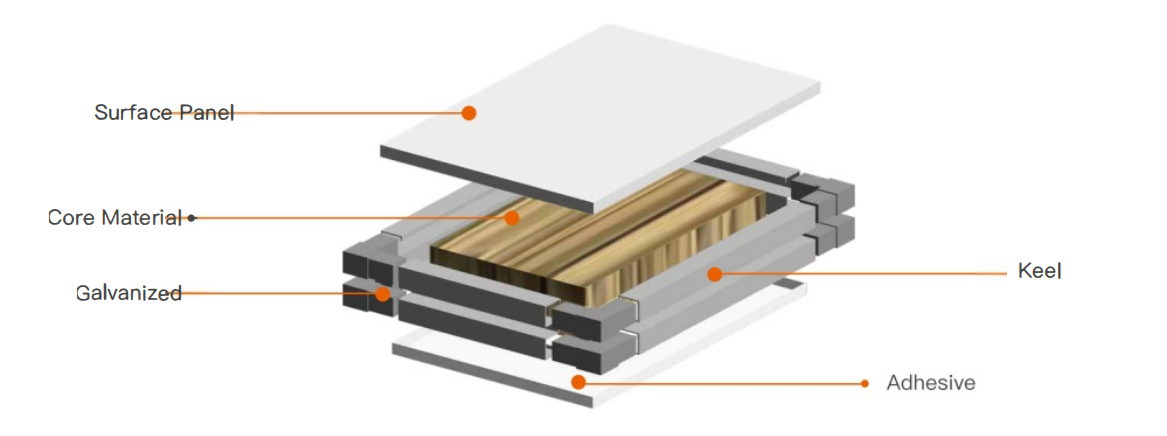
To effectively tackle temperature control in cleanrooms, it is crucial to grasp the essentials of cleanroom sandwich panels. These panels consist of an insulating core, often made from materials like polyurethane or EPS, sandwiched between two outer layers, usually constructed of steel or other durable materials. A typical cleanroom panel may have a thickness ranging from 50 to 200mm, with an R-value (thermal resistance) that can reach up to 8.0. Below are the materials and tools you'll need:
While upgrading cleanroom sandwich panels, various errors can arise:
Temperature control in cleanrooms is heavily dependent on the thickness and insulation value of sandwich panels. Opting for panels with higher R-values not only stabilizes environmental conditions but also enhances overall product quality. For best results, choose panels from reputable brands like Easywall, which offer efficient thermal properties and customizable solutions. Regular evaluations and proper installation are crucial for maintaining optimal temperature control.
Latest News
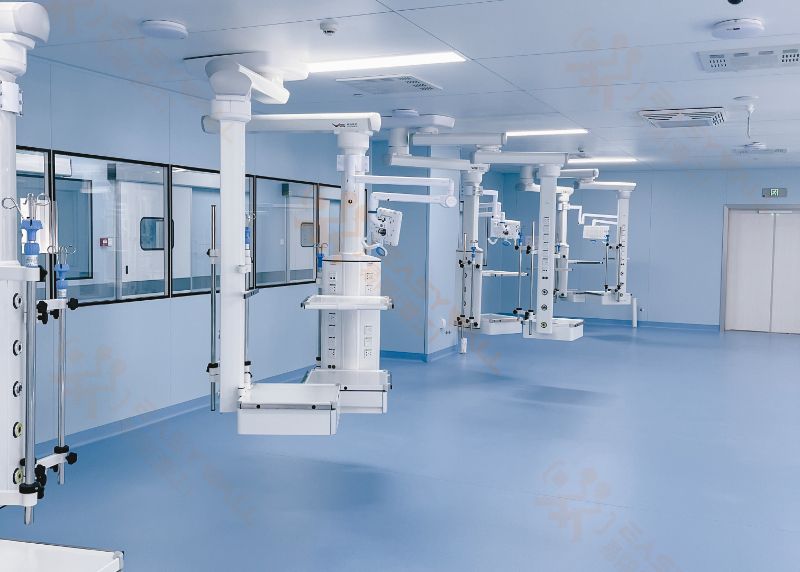
What to Ask Before Buying Cleanroom Panels?
 Sep. 17, 2026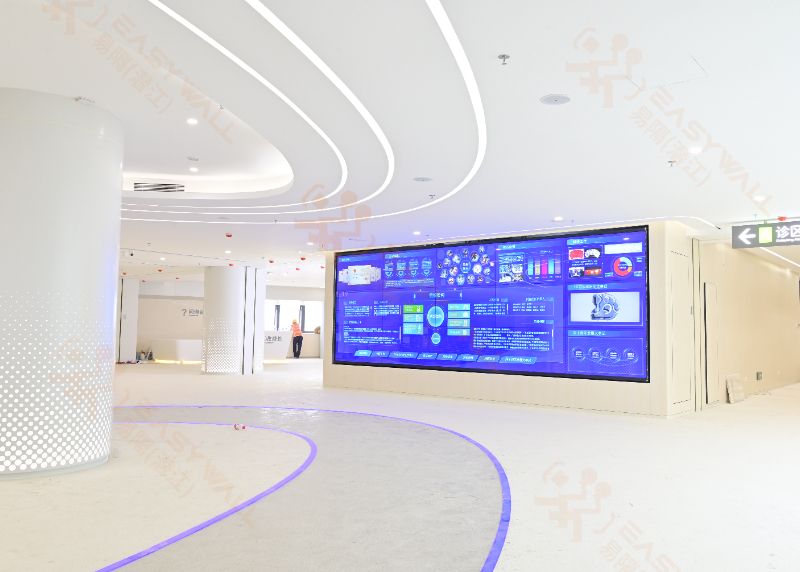
The Ultimate Cleanroom Wall Panel Guide: Materials, Cores, and Coatings
Sep. 15, 2026 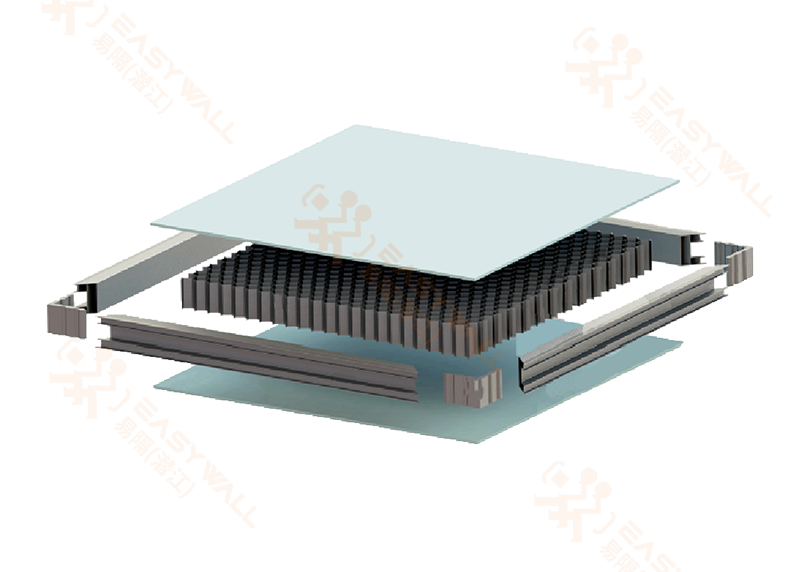
What Makes a Cleanroom Panel GMP-Friendly?
Sep. 14, 2026 
Why Cleanroom Wall Systems Matter?
Sep. 11, 2026 
CGMP Compliance Checklist for Pharmaceutical Wall Panel Selection
Sep. 09, 2026 Our Location
No.168, Ziguang Road, Qianjiang, Hubei, P.R.China
Quick Contact
aria@easywalltec.com leo@easywalltec.comWe will get back to you within 24 hours, or call us everyday 09:00Am - 12:00Pm
+86 139 6255 5162
Request A Quote
Technological innovation, product quality is the soul of the enterprise, market demand customer satisfaction is the life of the enterprise
 Chinese (Simplified)
  French
  Russian
  Portuguese
  Japanese