In the domain of cleanroom construction, choosing the right materials is critical for ensuring structural integrity, impact resistance, and overall performance. This article explores the comparative advantages of cleanroom sandwich panels over fiberglass, particularly how they withstand various challenges in controlled environments, optimizing both durability and efficiency.
Understanding the basic properties of both sandwich panels and fiberglass is essential. While both materials serve similar purposes in cleanrooms, they differ significantly in structural strength, insulation properties, and manufacturing methods.
Sandwich panels consist of two outer layers bonded to a core material, usually made of polyurethane or polystyrene. The design enhances rigidity while minimizing weight.
Fiberglass is a composite material consisting of fine glass fibers and a resin. It is notable for its lightweight characteristics but is generally less robust under impact compared to sandwich panels.
The structural strength of cleanroom materials is crucial for ensuring safety and long-term usability. Here we compare the core features of sandwich panels and fiberglass.
| Material | Load Capacity (lbs/sq ft) |
|---|---|
| Sandwich Panels | 150–200 |
| Fiberglass | 50–100 |
As shown in the table above, sandwich panels offer a significantly higher load capacity, making them an ideal choice for cleanrooms that require robust structures to support heavy equipment and operations.
Impact resistance is vital in cleanrooms to prevent damage from equipment and human activity. The materials' capability to absorb shocks and return to their original shape defines their resilience.
| Material | Impact Resistance Rating (Out of 10) |
|---|---|
| Sandwich Panels | 9 |
| Fiberglass | 6 |
From testing, it is evident that sandwich panels outperform fiberglass in impact resistance, providing superior protection against everyday wear and tear in a cleanroom setting.
Beyond strength and resistance, the insulation properties of these materials can influence energy efficiency and environmental control.
| Material | R-Value (Thermal Resistance) |
|---|---|
| Sandwich Panels | R-25 |
| Fiberglass | R-15 |
Higher thermal resistance in sandwich panels leads to better temperature control, essential for maintaining cleanroom standards.
The ease of installation and maintenance plays a significant role in long-term operational efficiency. Analyzing installation methods can help identify cost-saving benefits.
Sandwich panels allow for quicker installation times compared to fiberglass materials due to their modular nature.
Cost often remains a key factor in material selection. Below is a breakdown of estimated costs related to installation and long-term use of sandwich panels and fiberglass.
| Material | Initial Cost (per sq ft) | Long-Term Durability (years) |
|---|---|---|
| Sandwich Panels | $10 | 25+ |
| Fiberglass | $8 | 10 |
While sandwich panels have a higher initial investment, their longevity and lower maintenance needs generate savings over time.
With increased focus on sustainable practices, the environmental impact of material choices cannot be overlooked. Both sandwich panels and fiberglass vary in sustainability.
Sandwich panels can often be recycled, while fiberglass is more challenging to process post-use, leading to higher waste levels.
In summary, cleanroom sandwich panels emerge as a superior choice over fiberglass in terms of structural strength, impact resistance, thermal insulation, and long-term cost-effectiveness. For manufacturers like Easywall, investing in sandwich panels not only ensures compliance with stringent cleanroom standards but also translates to significant operational benefits in the long run.
For your cleanroom needs, consider Easywall's robust sandwich panels that promise not only strength but enhanced efficiency and performance.
Latest News
What to Ask Before Buying Cleanroom Panels?
 Sep. 17, 2026
The Ultimate Cleanroom Wall Panel Guide: Materials, Cores, and Coatings
Sep. 15, 2026 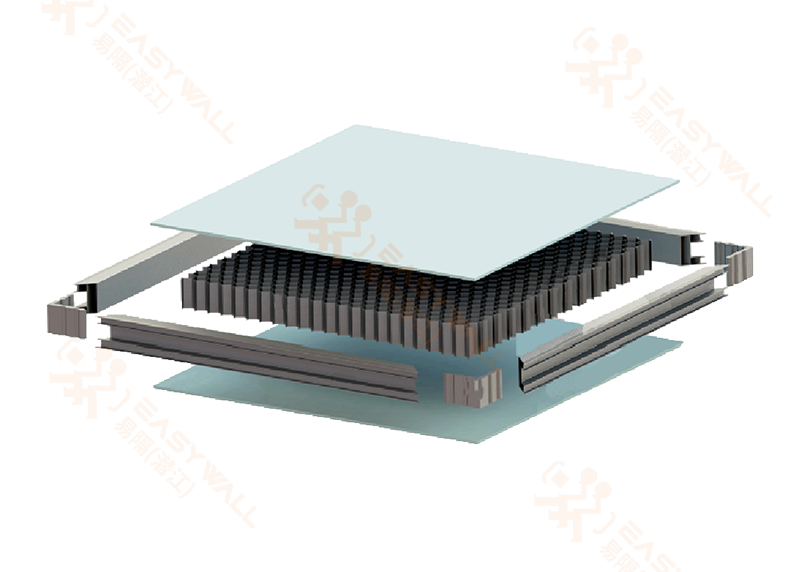
What Makes a Cleanroom Panel GMP-Friendly?
Sep. 14, 2026 
Why Cleanroom Wall Systems Matter?
Sep. 11, 2026 
CGMP Compliance Checklist for Pharmaceutical Wall Panel Selection
Sep. 09, 2026 Our Location
No.168, Ziguang Road, Qianjiang, Hubei, P.R.China
Quick Contact
aria@easywalltec.com leo@easywalltec.comWe will get back to you within 24 hours, or call us everyday 09:00Am - 12:00Pm
+86 139 6255 5162
Request A Quote
Technological innovation, product quality is the soul of the enterprise, market demand customer satisfaction is the life of the enterprise
 Chinese (Simplified)
  French
  Russian
  Portuguese
  Japanese